Bread dough lames

-
The device in front is a pretty standard tool for slashing dough for baking. I did not like it at all.
The blade sits out in the open and you lose the little sheath that comes with it.
It doesn’t give you control. If you want to do a big slash it’s fine but if you want to get ornate small cuts it sucks.So I started trying different designs in the woodshop. So far I like the second from the bottom first. It’s better for my hand size. The blade can be stored in the device when not in use. It allows for fine movements where you can control pressure and angle.
The third from the bottom is just large enough to hold the blade inside when not in use. It’s too small for a lot of hands. It requires complete disassembly to store the blade instead of just tucking it inside after loosening the wing nut. Each time you have to touch a blade increases the hazard.
The top one is a mix between two and three. I made it just a hair too small to allow for the blade to just swing inside but it does offer a wide profile for easy control.
These were all made with scraps (maple, cherry, white oak) and stainless steel nuts and bolts. Sealed with Watco butcher block sealant. Cost each was about $2 for hardware because I went with stainless instead of zinc. Going with zinc would get the cost down to under a dollar but for kitchen use I recommend stainless or brass.
The dough was leftover from a week of pita eating. I’ll need to find a use for it other than its current status of experiment fodder. These days I make a few pounds of dough and let my cravings figure out what to do with it within two weeks.

Your dough lasts two weeks?!
-
The device in front is a pretty standard tool for slashing dough for baking. I did not like it at all.
The blade sits out in the open and you lose the little sheath that comes with it.
It doesn’t give you control. If you want to do a big slash it’s fine but if you want to get ornate small cuts it sucks.So I started trying different designs in the woodshop. So far I like the second from the bottom first. It’s better for my hand size. The blade can be stored in the device when not in use. It allows for fine movements where you can control pressure and angle.
The third from the bottom is just large enough to hold the blade inside when not in use. It’s too small for a lot of hands. It requires complete disassembly to store the blade instead of just tucking it inside after loosening the wing nut. Each time you have to touch a blade increases the hazard.
The top one is a mix between two and three. I made it just a hair too small to allow for the blade to just swing inside but it does offer a wide profile for easy control.
These were all made with scraps (maple, cherry, white oak) and stainless steel nuts and bolts. Sealed with Watco butcher block sealant. Cost each was about $2 for hardware because I went with stainless instead of zinc. Going with zinc would get the cost down to under a dollar but for kitchen use I recommend stainless or brass.
The dough was leftover from a week of pita eating. I’ll need to find a use for it other than its current status of experiment fodder. These days I make a few pounds of dough and let my cravings figure out what to do with it within two weeks.
I’ve got a razor blade bent around a novelty measuring spoon.
-
Your dough lasts two weeks?!
There’s a no-knead dough recipe that you can make in large quantity and it will keep in the fridge for up to 2 weeks. The closer it gets to the 2-weekb mark the better off it is for flat stuff like pizza crust and pitas.
Search for “five minute no-kneed artisan bread recipe”. It’s a flexible dough, usable for lots of stuff and by being able to prep a large amount up front you can just let it keep until you’re ready to use it.
-
I’ve got a razor blade bent around a novelty measuring spoon.
If it works, it works.
-
The device in front is a pretty standard tool for slashing dough for baking. I did not like it at all.
The blade sits out in the open and you lose the little sheath that comes with it.
It doesn’t give you control. If you want to do a big slash it’s fine but if you want to get ornate small cuts it sucks.So I started trying different designs in the woodshop. So far I like the second from the bottom first. It’s better for my hand size. The blade can be stored in the device when not in use. It allows for fine movements where you can control pressure and angle.
The third from the bottom is just large enough to hold the blade inside when not in use. It’s too small for a lot of hands. It requires complete disassembly to store the blade instead of just tucking it inside after loosening the wing nut. Each time you have to touch a blade increases the hazard.
The top one is a mix between two and three. I made it just a hair too small to allow for the blade to just swing inside but it does offer a wide profile for easy control.
These were all made with scraps (maple, cherry, white oak) and stainless steel nuts and bolts. Sealed with Watco butcher block sealant. Cost each was about $2 for hardware because I went with stainless instead of zinc. Going with zinc would get the cost down to under a dollar but for kitchen use I recommend stainless or brass.
The dough was leftover from a week of pita eating. I’ll need to find a use for it other than its current status of experiment fodder. These days I make a few pounds of dough and let my cravings figure out what to do with it within two weeks.
Personally I’ve just always used a decently sharp kitchen knife and haven’t had any real problems. Doesn’t really allow for anything too decorative but I guess it works. Didn’t know there where razor holders specifically for the job.
-
The device in front is a pretty standard tool for slashing dough for baking. I did not like it at all.
The blade sits out in the open and you lose the little sheath that comes with it.
It doesn’t give you control. If you want to do a big slash it’s fine but if you want to get ornate small cuts it sucks.So I started trying different designs in the woodshop. So far I like the second from the bottom first. It’s better for my hand size. The blade can be stored in the device when not in use. It allows for fine movements where you can control pressure and angle.
The third from the bottom is just large enough to hold the blade inside when not in use. It’s too small for a lot of hands. It requires complete disassembly to store the blade instead of just tucking it inside after loosening the wing nut. Each time you have to touch a blade increases the hazard.
The top one is a mix between two and three. I made it just a hair too small to allow for the blade to just swing inside but it does offer a wide profile for easy control.
These were all made with scraps (maple, cherry, white oak) and stainless steel nuts and bolts. Sealed with Watco butcher block sealant. Cost each was about $2 for hardware because I went with stainless instead of zinc. Going with zinc would get the cost down to under a dollar but for kitchen use I recommend stainless or brass.
The dough was leftover from a week of pita eating. I’ll need to find a use for it other than its current status of experiment fodder. These days I make a few pounds of dough and let my cravings figure out what to do with it within two weeks.
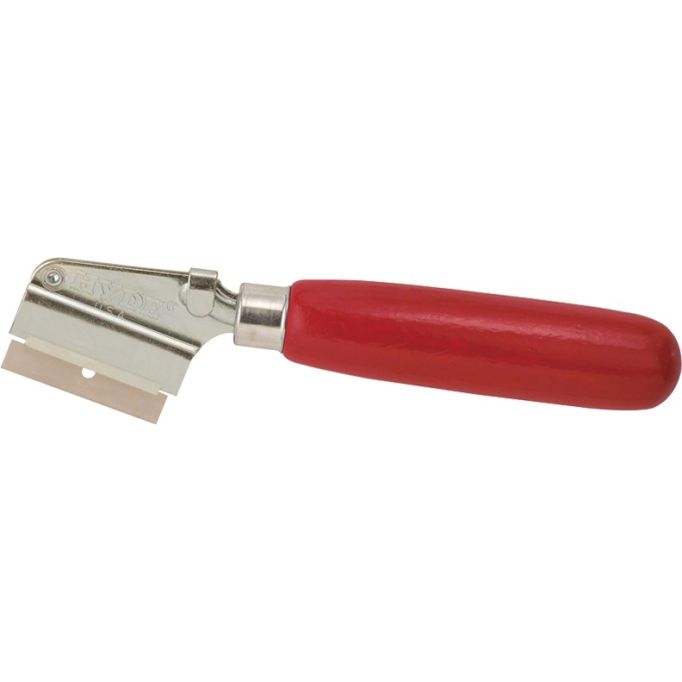
I’ve never used this kind of thing, but I’m curious why you wouldn’t use a typical utility knife, like maybe this kind:
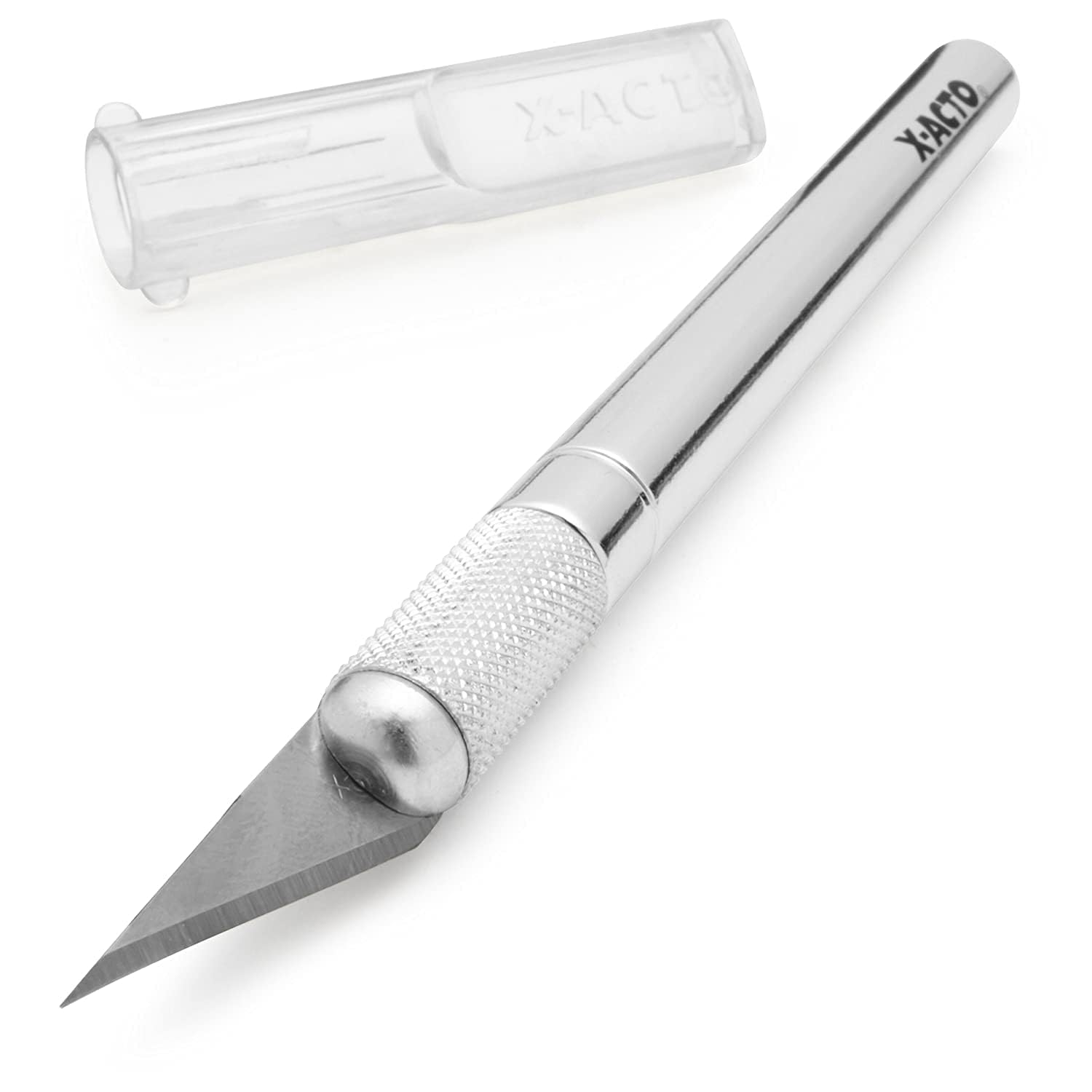
Or even an x-acto knife:
-
I’ve never used this kind of thing, but I’m curious why you wouldn’t use a typical utility knife, like maybe this kind:
Or even an x-acto knife:
Some dedicated bread lames are curved (see OP’s frontmost lame) which can make certain swooping curved cuts easier. I generally lack the skill to be able to do it consistently, though, so a flat razor blade holder generally works best for me.
-
I’ve never used this kind of thing, but I’m curious why you wouldn’t use a typical utility knife, like maybe this kind:
Or even an x-acto knife:
You want one that’s really comfortable in the hand and able to do fine cuts. You want it to have a cover for the blade. An exacto knife is totally the wrong ergonomics for this kind of situation where you want to make mostly fast cuts. The first one is going to be awkward to get really fine turns with if you’re in a hurry. I don’t want to buy any more things so I’m using what’s on hand. Would you rather have a purpose built, handcrafted, wood, kitchen utensil or something from Home Depot in your kitchen?
-
The device in front is a pretty standard tool for slashing dough for baking. I did not like it at all.
The blade sits out in the open and you lose the little sheath that comes with it.
It doesn’t give you control. If you want to do a big slash it’s fine but if you want to get ornate small cuts it sucks.So I started trying different designs in the woodshop. So far I like the second from the bottom first. It’s better for my hand size. The blade can be stored in the device when not in use. It allows for fine movements where you can control pressure and angle.
The third from the bottom is just large enough to hold the blade inside when not in use. It’s too small for a lot of hands. It requires complete disassembly to store the blade instead of just tucking it inside after loosening the wing nut. Each time you have to touch a blade increases the hazard.
The top one is a mix between two and three. I made it just a hair too small to allow for the blade to just swing inside but it does offer a wide profile for easy control.
These were all made with scraps (maple, cherry, white oak) and stainless steel nuts and bolts. Sealed with Watco butcher block sealant. Cost each was about $2 for hardware because I went with stainless instead of zinc. Going with zinc would get the cost down to under a dollar but for kitchen use I recommend stainless or brass.
The dough was leftover from a week of pita eating. I’ll need to find a use for it other than its current status of experiment fodder. These days I make a few pounds of dough and let my cravings figure out what to do with it within two weeks.
-
What design did you go with? What material?
-
The device in front is a pretty standard tool for slashing dough for baking. I did not like it at all.
The blade sits out in the open and you lose the little sheath that comes with it.
It doesn’t give you control. If you want to do a big slash it’s fine but if you want to get ornate small cuts it sucks.So I started trying different designs in the woodshop. So far I like the second from the bottom first. It’s better for my hand size. The blade can be stored in the device when not in use. It allows for fine movements where you can control pressure and angle.
The third from the bottom is just large enough to hold the blade inside when not in use. It’s too small for a lot of hands. It requires complete disassembly to store the blade instead of just tucking it inside after loosening the wing nut. Each time you have to touch a blade increases the hazard.
The top one is a mix between two and three. I made it just a hair too small to allow for the blade to just swing inside but it does offer a wide profile for easy control.
These were all made with scraps (maple, cherry, white oak) and stainless steel nuts and bolts. Sealed with Watco butcher block sealant. Cost each was about $2 for hardware because I went with stainless instead of zinc. Going with zinc would get the cost down to under a dollar but for kitchen use I recommend stainless or brass.
The dough was leftover from a week of pita eating. I’ll need to find a use for it other than its current status of experiment fodder. These days I make a few pounds of dough and let my cravings figure out what to do with it within two weeks.
I just use the blade itself. But I’m used to using them like that for modelling purposes. Such clean cuts on plastic.
-
What design did you go with? What material?
https://www.printables.com/model/32303-blade-lame-v2
I did PLA, because it’s not coming into direct contact with my food.
-
Personally I’ve just always used a decently sharp kitchen knife and haven’t had any real problems. Doesn’t really allow for anything too decorative but I guess it works. Didn’t know there where razor holders specifically for the job.
Ditto. I think that most people aren’t able to keep their knives sharp enough for this task so they use the razor blade.
-
Personally I’ve just always used a decently sharp kitchen knife and haven’t had any real problems. Doesn’t really allow for anything too decorative but I guess it works. Didn’t know there where razor holders specifically for the job.
I normally used a sharp knife as well. But I’m planning to dramatically increase the decorative slashing aspect and a three inch or longer blade just isn’t going to work for that.